Serviced, titled land
Stands from US$5,000 with bulk roads, water, sewer and electricity, so families build on title-ready land.
ESG & Impact
BridgeFort Infrastructure turns local manufacturing, solar power and diaspora capital into serviced stands, solar-ready homes and resilient businesses. Our development impact is focused on Zimbabwe's housing backlog, its electricity supply gap, and the Government's Vision 2030 goal of an upper middle-income economy.
Sources: Ministry of National Housing and Social Amenities; ZESA / Zimbabwe Power Company; World Bank Zimbabwe Economic Update (2023).
Our impact
Stands from US$5,000 with bulk roads, water, sewer and electricity, so families build on title-ready land.
Turnkey homes from US$20,000, built with materials from our own manufacturing to keep costs down. 8 homes are in progress at Landau Village, Bulawayo.
Local and diaspora mortgages and construction-material loans through BridgeFort Capital Group, turning remittances into owned assets.
Roof sheets, structural steel, door frames and plumbing materials made and supplied from Bindura, replacing imports.
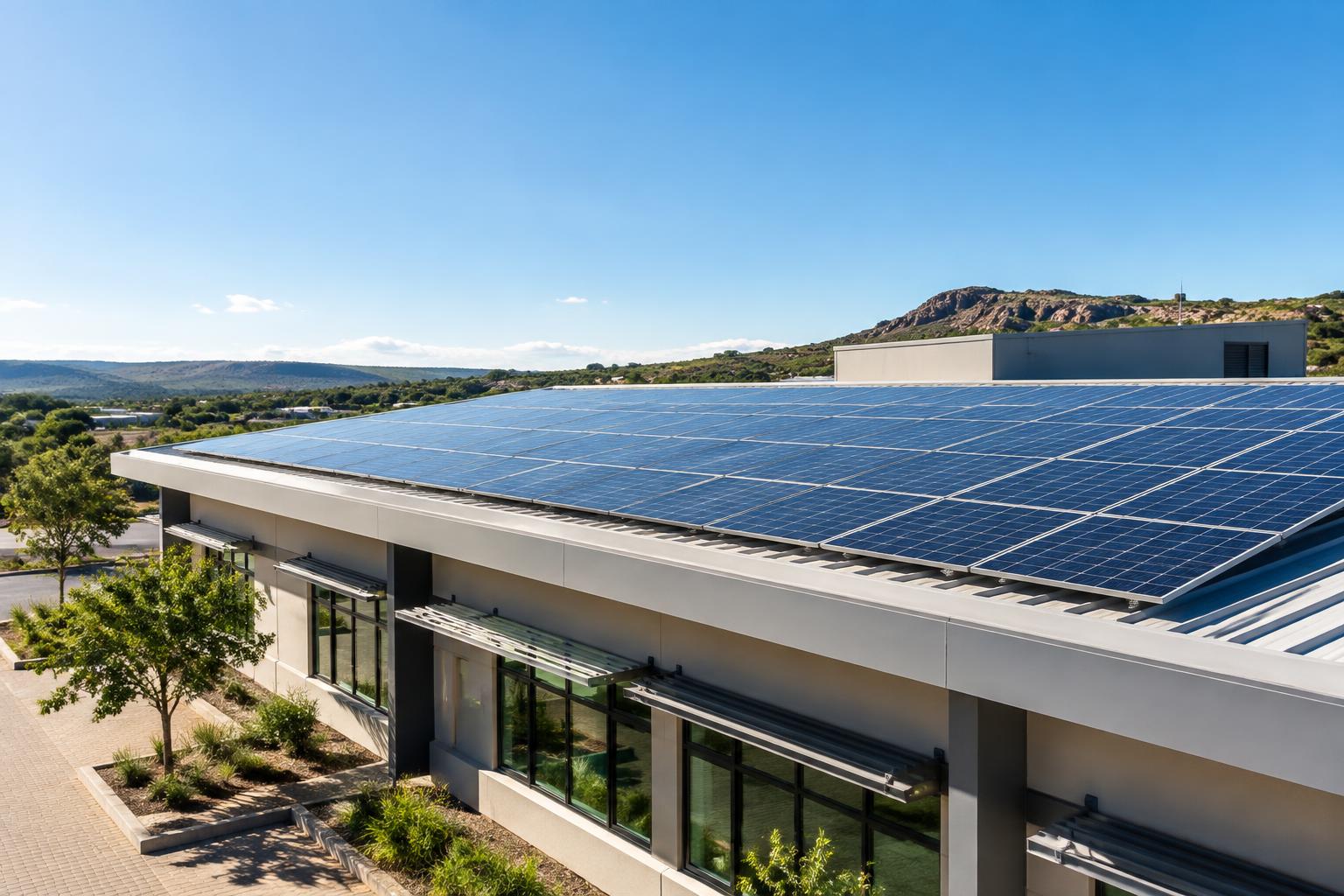
56 solar installations, 718 kWp of PV and 807 kWh of battery storage across Zimbabwe and South Africa.
Commercial and SME solar cuts diesel and grid bills; our own Bindura factory runs on 77 kWp of solar, saving an estimated US$17,300 a year.
Drilling, rig engineering, steel fabrication and solar installation build technical skills; the founding team's businesses have created more than 200 permanent jobs.
Production drilling for gold, nickel and platinum mines on shared risk-and-reward contracts, supporting export earnings since 2014.
National priorities
As Zimbabwe works toward Vision 2030, demand for housing and electricity is rising faster than supply. Government targets 1.2 million housing units by 2030 against a backlog of about 1.5 million, and the World Bank projects peak power demand will more than double by 2030 as mining, agriculture and industry expand. Zimbabwe spent about US$882 million on imported electricity between January 2021 and March 2026.
Against a backlog of ~1.5m (some official estimates put it near 2m)
We deliver serviced stands and turnkey homes, and link buyers to local and diaspora mortgages.
From ~1,950 MW in 2022 (World Bank)
Residential, commercial and grid-scale solar adds generation close to where power is used, easing pressure on the grid.
26.5% of supply, National Renewable Energy Policy
718 kWp installed to date and a pipeline of grid-scale solar projects in Zimbabwe.
From ~1,000 MW to more than 1,500 MW within 12 months (2026)
We serve mines with drilling services today and can offer captive solar for mine sites.
Requires ~537,000 new connections a year (World Bank)
Solar-ready homes and off-grid home systems with remote monitoring.
Sources: Ministry of National Housing and Social Amenities; World Bank Zimbabwe Economic Update (December 2023); ZESA; Ministry of Mines and Mining Development; National Renewable Energy Policy; ZimStat external trade data. Targets as published and subject to revision.
Environmental · Social · Governance
One group, end to end
Our divisions work as one chain: land and bulk infrastructure, building materials from Northlands Resources, solar from BridgeFort Energy, and finance through BridgeFort Capital Group. Keeping the chain in one group lowers the cost of a home and the risk of delivery.
Our contribution
Solar PV and battery systems for homes, businesses and industry, and solar-ready housing.
Serviced, titled stands and affordable homes against a national backlog of about 1.5 million units.
Skilled jobs across mining, manufacturing and solar, and lower energy costs for SMEs.
Local steel and roofing manufacture, mining engineering and remotely monitored solar.
Diaspora and local mortgage finance, council and landowner partnerships, and a public listing on ZEEX.
Title deeds and long-term mortgages help families build assets; evidence is still being built.
Water and sewer reticulation on serviced stands, and solar borehole pumping.
Solar displaces grid and diesel power; avoided emissions are estimated, not yet metered.
Home ownership and jobs can support inclusion; we do not yet publish gender data.
Mining and land development affect land and biodiversity, so we do not claim this goal.
Core: backed by an existing product, structure or partnership. Supporting: directionally true, evidence still being built. Watch: not claimed without qualification.
Evidence & accountability